This project was developed in collaboration with the University of South Bohemia in České Budějovice and supported by the Technology Agency of the Czech Republic under the ÉTA programme. The development team included archaeologists, historians, educators, psychologists, and experts in VR technologies. Our goal was to create an educational tool that can be used in schools, museums, and public spaces.
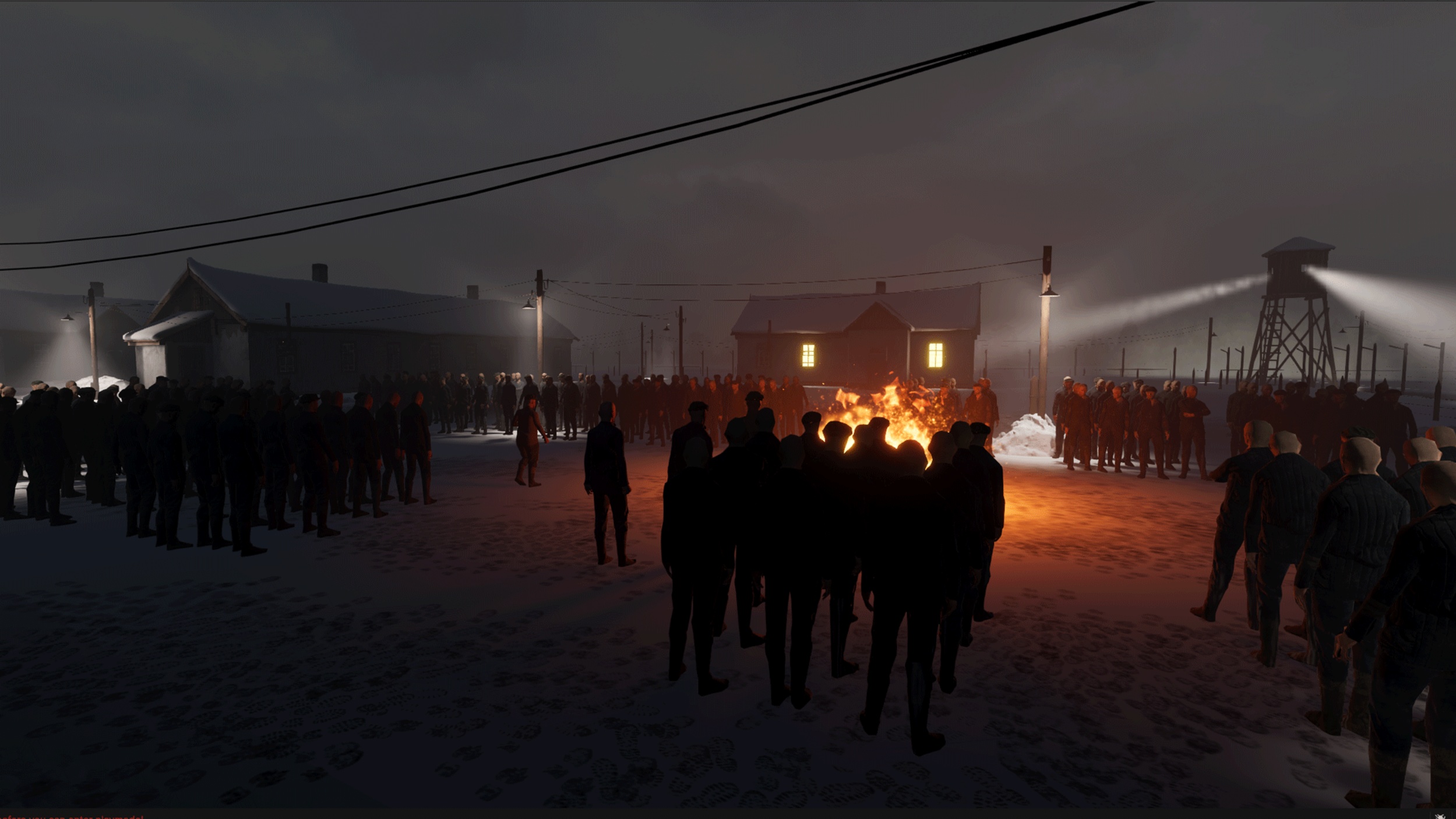
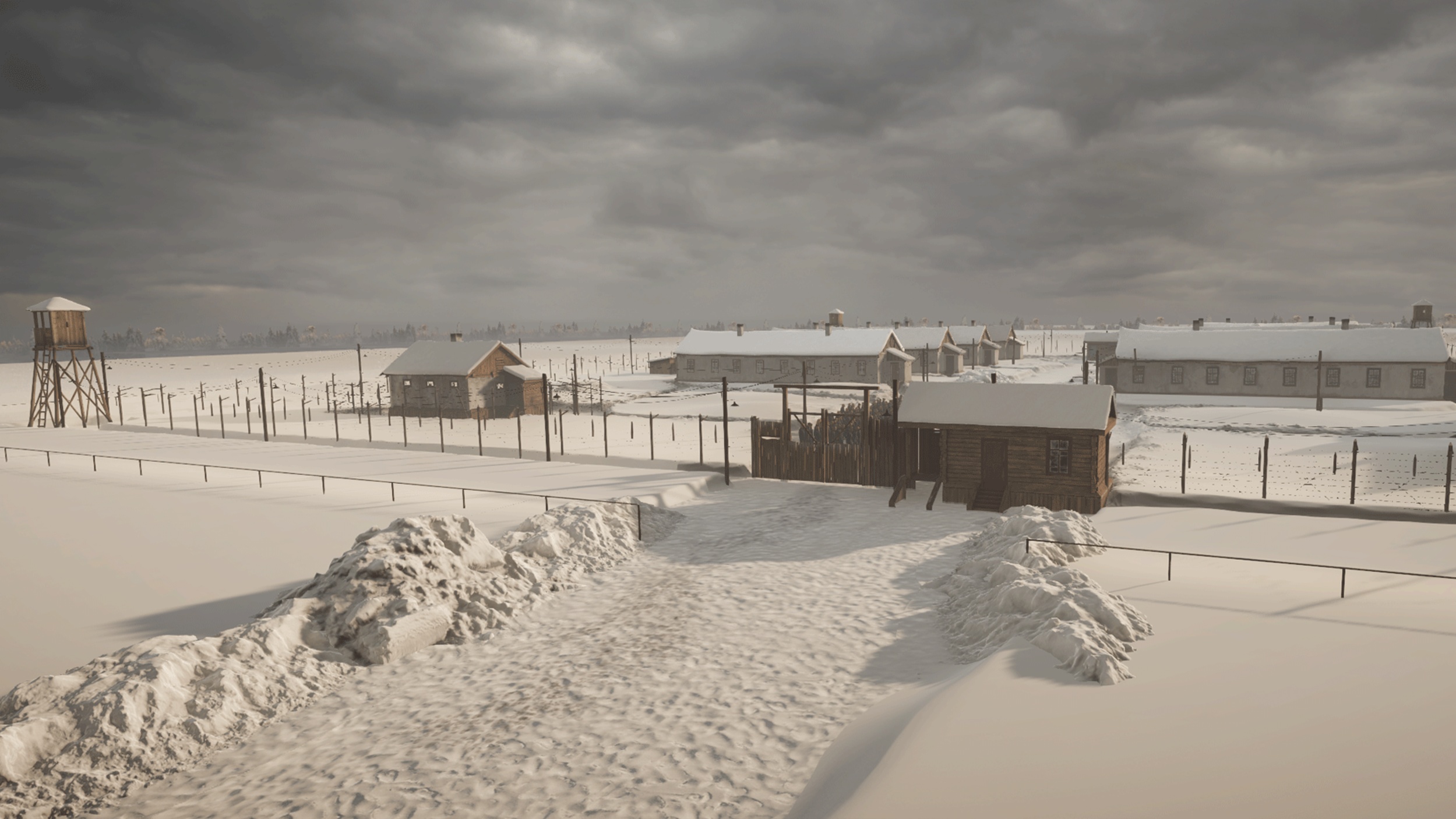
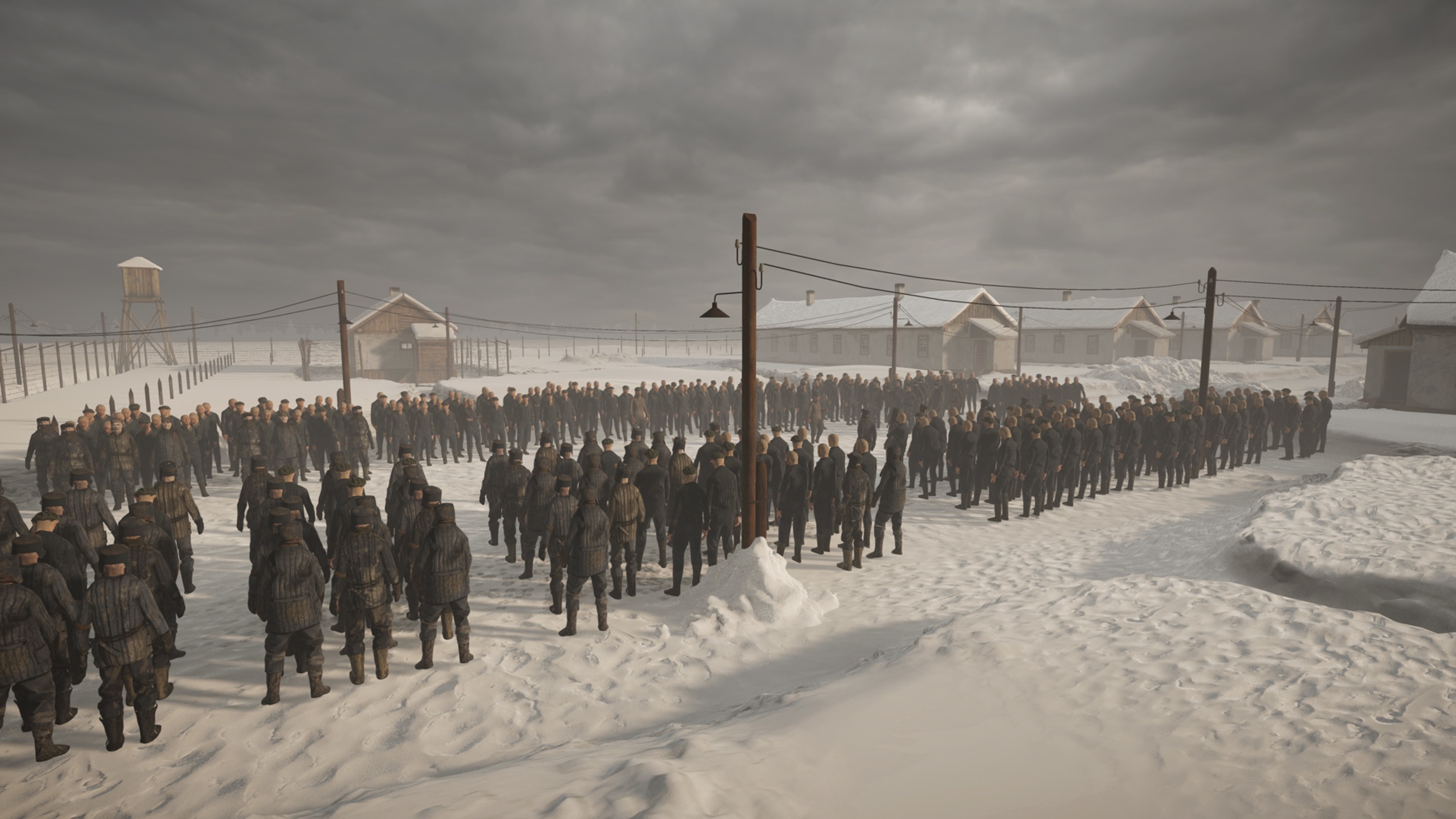
The educational model—a VR-based game simulation—recreates everyday life in a Soviet gulag. Its design is grounded in archaeological findings, archival sources, and former prisoners’ testimonies. Virtual reality is not used for spectacle, but as a medium for insight. The user moves through an authentic camp environment alongside other prisoners and guards, experiencing a night in the barracks, morning roll call, and forced labour in the taiga. The tool provides an immersive experience that makes learning more engaging and fosters a deeper understanding of totalitarian systems.
We are fully aware of the sensitivity of the subject and the ethical responsibility it entails toward the memory of the victims. With the utmost seriousness and respect, we approach the reconstruction of the environment and situations to avoid trivialization or commercialization. Our aim is to educate, not to shock. We also acknowledge the limits of historical reconstruction: we do not depict anything without supporting evidence; we only show what is thoroughly documented.
The VR simulation consists of 5 main interactive scenes-Barracks, Roll Call, Labour, Meal and Solitary Confinement. These scenes reflect key moments from a typical day in the life of a prisoner under the specific conditions of a gulag camp. They are accompanied by a narrative element—the story of one of the inmates. Users can choose between a free exploration mode or a guided experience with chapters that unlock progressively.