The place where every day begins and ends
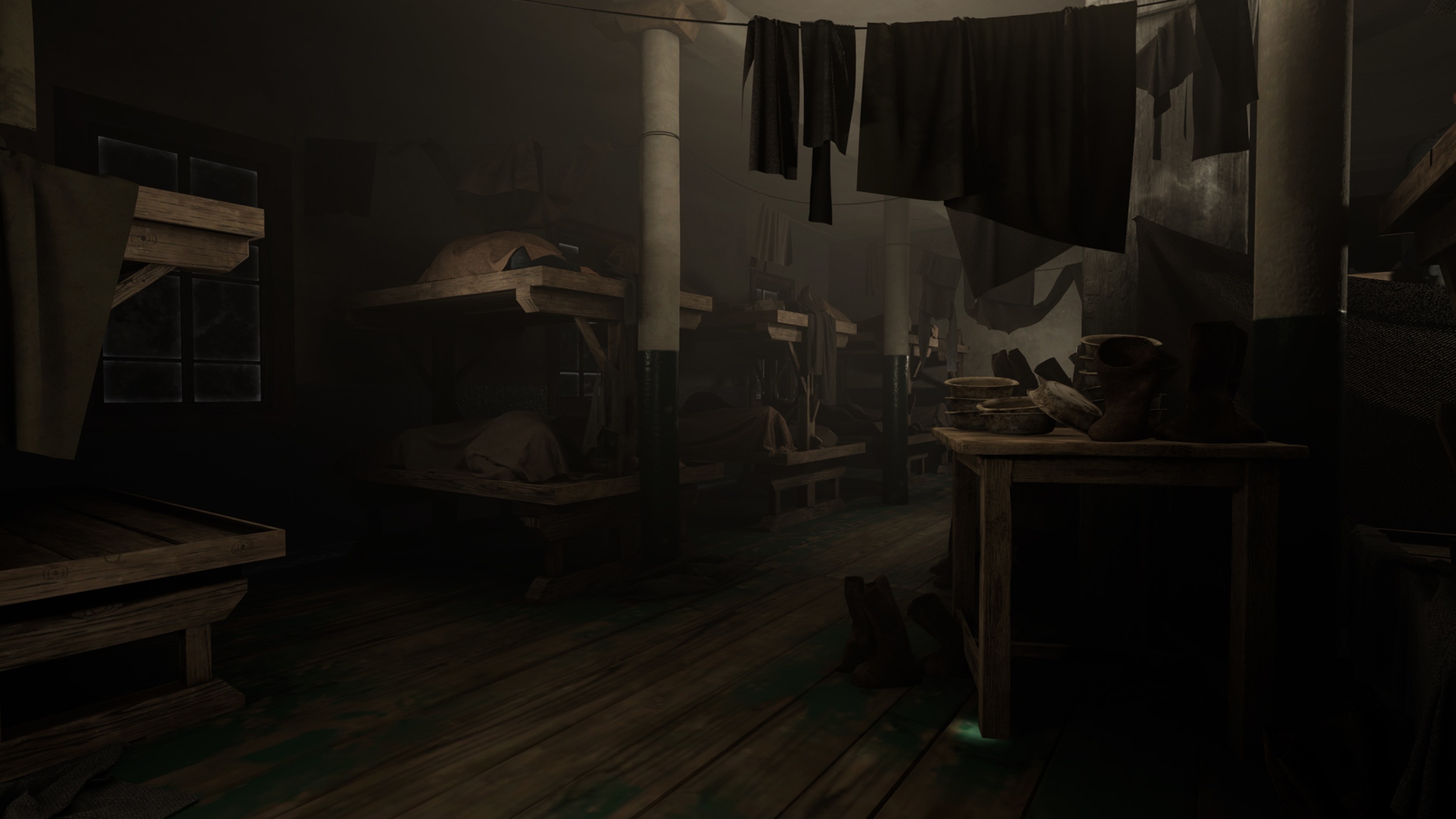
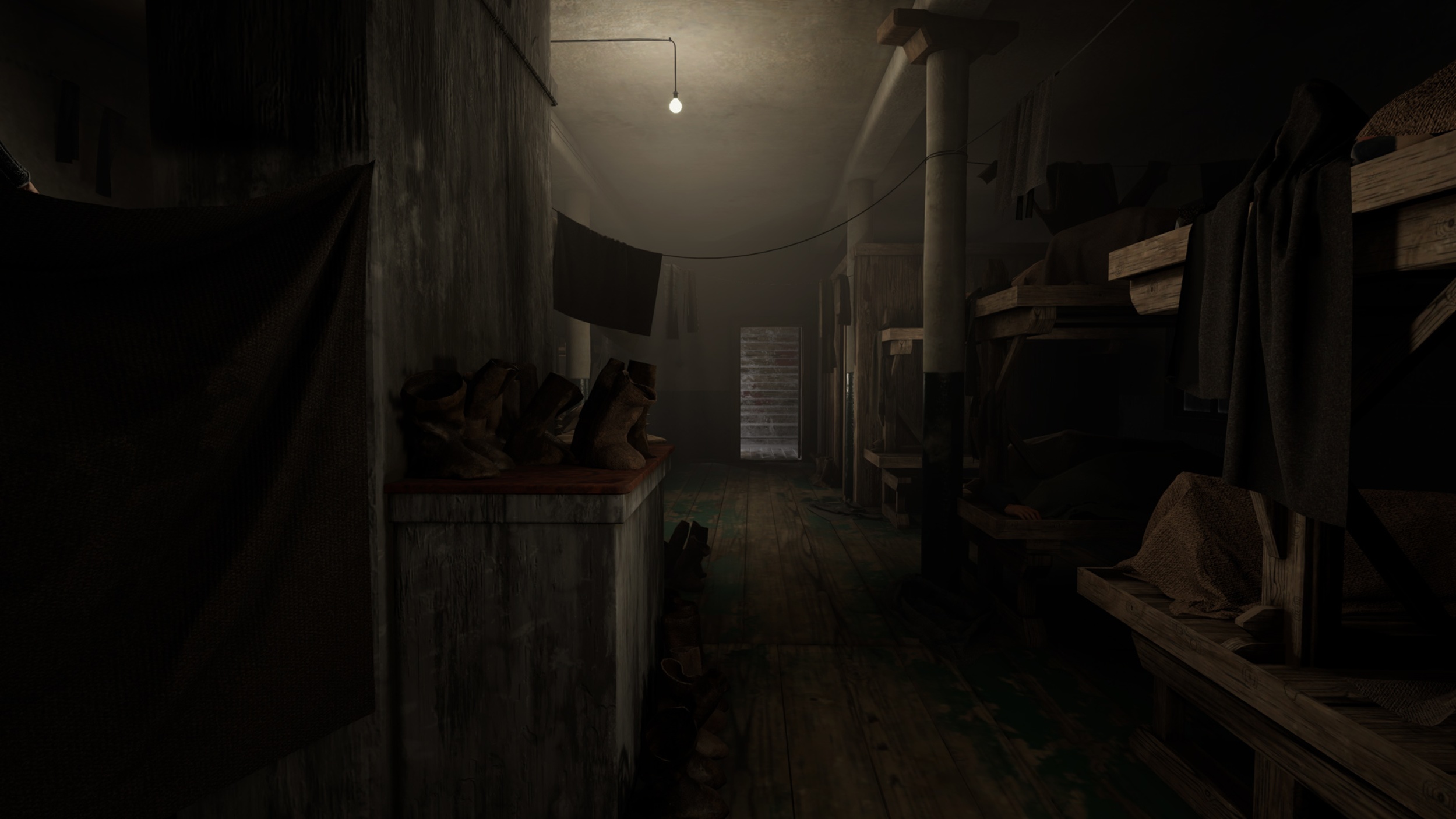
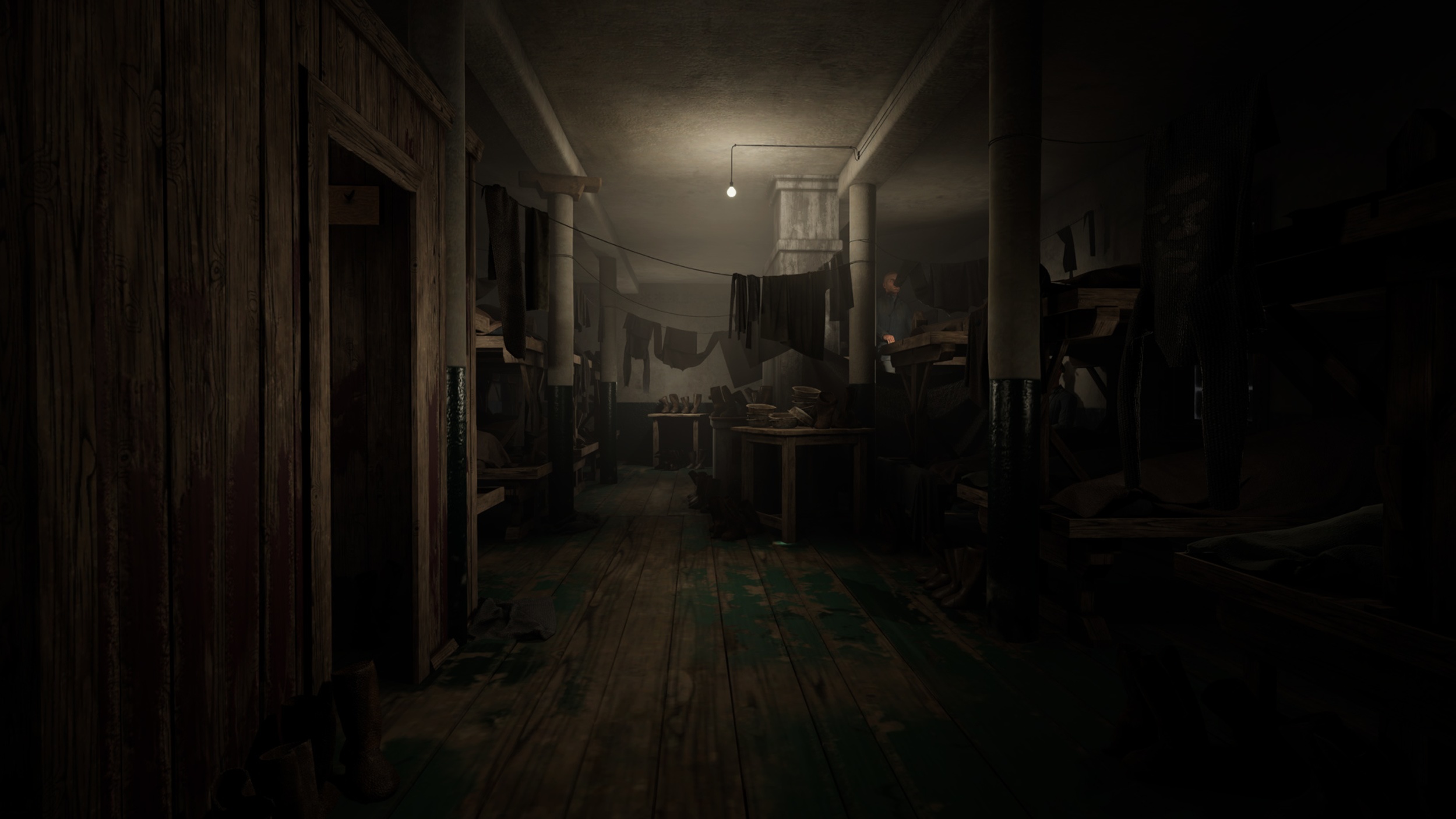
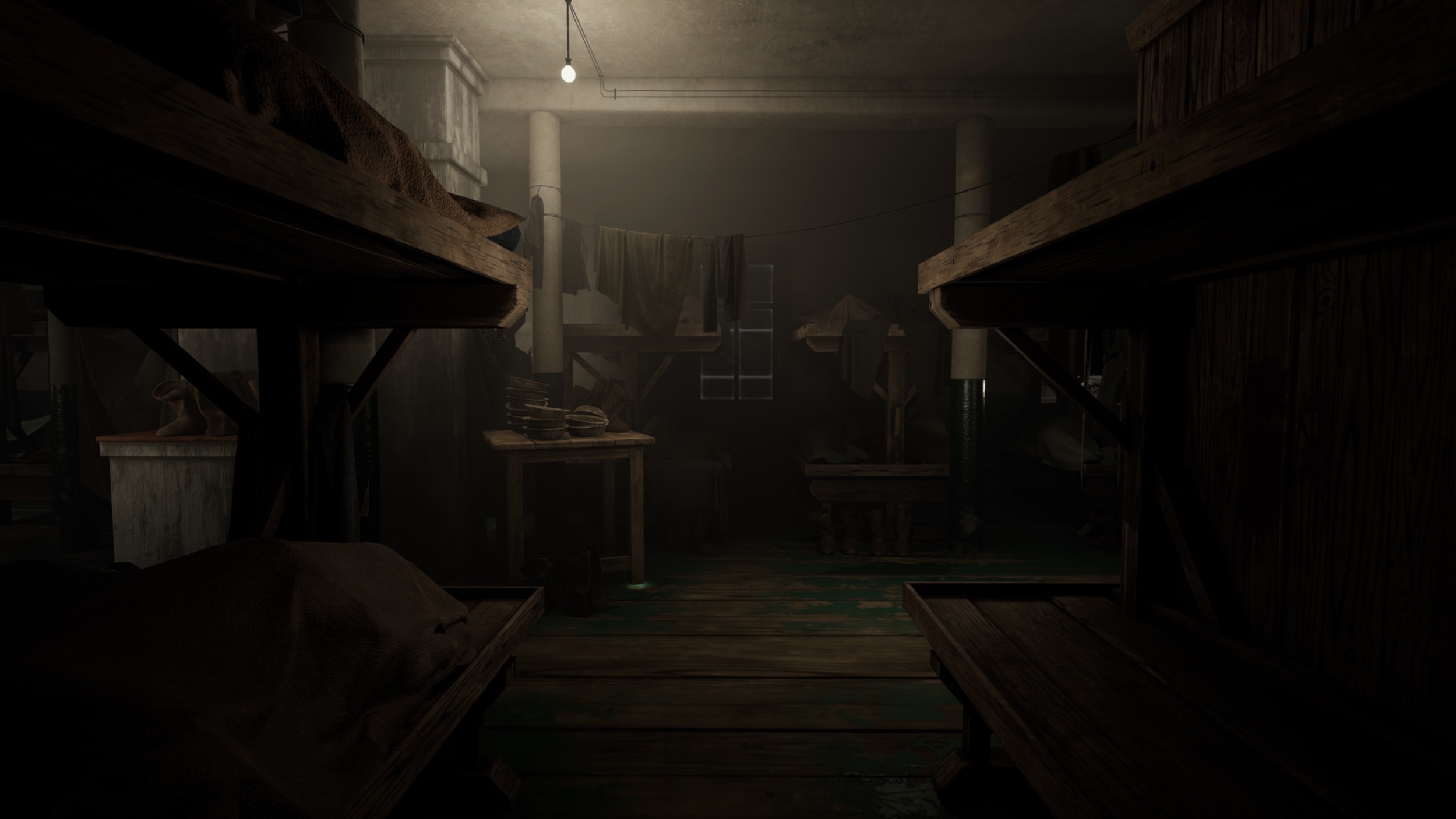
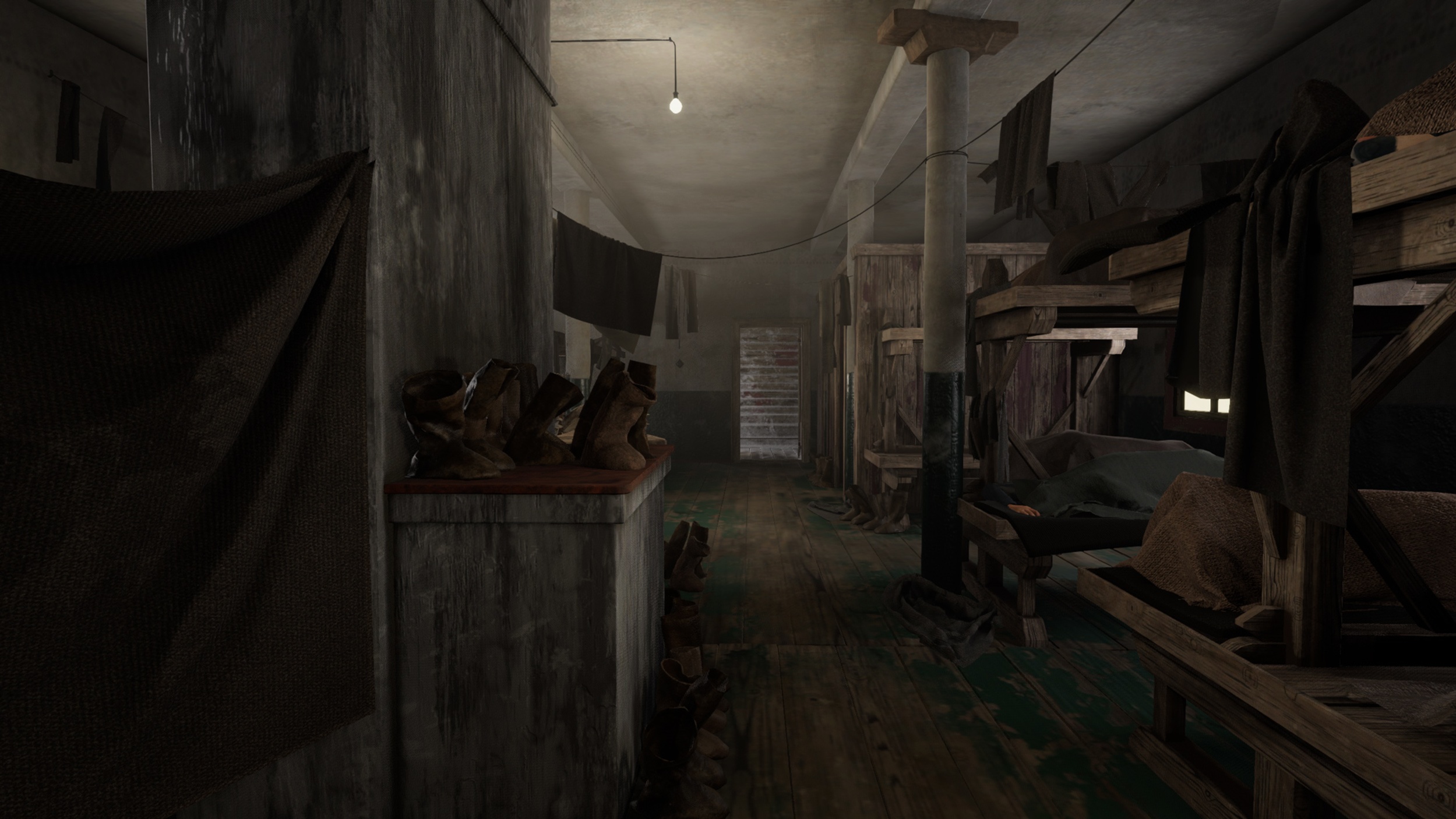
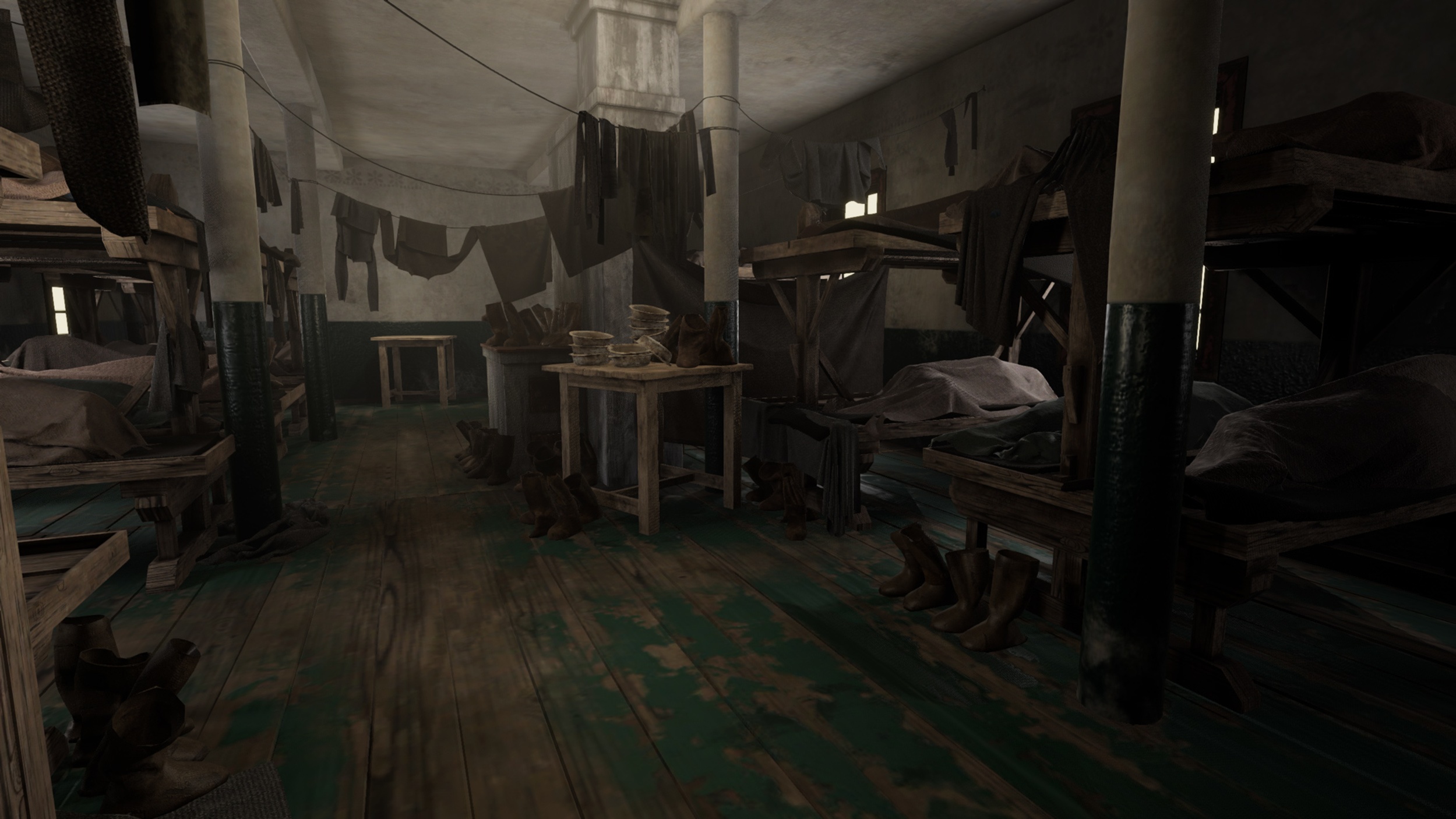
Dozens of prisoners are crammed together inside. The air is damp and foul—filled with the stench of wet clothes, smoke from the stove, and the sickly fumes of unwashed bodies. The space is divided by unspoken rules: the worst spots are along the walls, the best are near the stove. A strict internal hierarchy is on display—murderers, thieves vs. political prisoners, and the broken "goners." The differences are visible: sleeping spots, clothing, health. Violence and death raise no concern. A corpse isn’t removed. Death is no exception—it’s part of the system.
„Experience daily confinement without privacy—and without hope..“
Scene Objectives
- Respect both written and unwritten rules
- Observe the curfew—return to your barracks and claim your assigned bunk (left of the entrance)
- Avoid the stove area where the criminal inmates sleep (they lock eyes with you, creating psychological pressure).
- Wipe frost from the window—and witness naked prisoners being punished outside for sabotage
Message
This scene layers multiple meanings into a portrait of everyday brutality and systematic abuse. Most information is conveyed visually—the player reads the environment: the coveted spot by the stove, the stiff corpse, the drying clothes, the arrangement of bunks. During curfew, walking outside is forbidden—the game communicates restriction and confinement. Criminals don’t merely watch; they hold the player with their gaze. The simple act of wiping frost becomes symbolic—it reveals a hidden reality.
Overcrowding, cold, and lack of hygiene dominate the space. The barracks offer the only shelter from the freezing cold, yet inmates are packed tightly together on bare bunks with torn blankets.
Historical Context
Some inmates aren’t sleeping—the criminals. They don’t work, occupy the warmest spots closest to the stove, and separate themselves from others with a curtain. They spend the night playing cards or listening to stories, often told by a political prisoner. The others sleep—or try to—exhausted by forced labour and starvation. The goners are skeletal, dying inmates who’ve even lost their blankets—death is expected. The farther from the stove, the worse the conditions. Wet clothing hangs everywhere, drying for the next day. Near the door is the paraša—a makeshift toilet.
For Educators – Discussion Questions
- How many prisoners shared one barracks? How many to a bunk?
- Who had the best spot—and why?
- How is power expressed in this space? What could serve as “currency” here?
- What is a paraša? How does it shape the atmosphere?
- Who were the goners, and why were they “sentenced” to death by the system?
- What signs of power and powerlessness did you notice?
- Why is bullying tolerated in the barracks?
- What does it suggest that no one looks at the dead body?
- Can you imagine sharing space with people who humiliate you?
- What would help you maintain dignity?
- Would you dare speak out against bullying—even if it meant punishment?
- Can someone survive without morally adapting to the system?